


The Importance of Sleep

Life is busy, and you may find yourself trying to get more done by reducing how much time you sleep. However, research shows that limiting your sleep can have serious negative consequences for your health, productivity and mood. Learn more about why sleep is important and how to improve your sleep.
Why Is Sleep Important?
Sleep calms inflammation and recharges your body, resting and renewing every physical system so they’re ready to perform well the next day. When you skip getting enough sleep, you’ll start to notice that your body is having trouble keeping up with your busy life. Here are a few symptoms that suggest you’re not getting enough sleep:
- Reduced concentration
- Increased anxiety
- Constant fatigue
Long-term consequences of not getting enough sleep can include high blood pressure, type 2 diabetes and a lowered immune system. Sleep improves your body’s reaction time, increases coordination, reduces your risk of chronic diseases and allows for hormone regulation. Without sleep, your body is more likely to shift into fight-or-flight mode, increasing anxiety during day-to-day life.
How Much Sleep Do Adults Need?
Adults over 18 years old need a minimum of seven hours of sleep each night. However, it’s important to remember that every person is different. While some people can function well on seven hours of sleep, others may need eight or nine hours to achieve the same level of well-being. Pay attention to how you feel to determine how much sleep you need.
How Much REM Sleep Do You Need?
Adults need about two hours of rapid eye movement (REM) sleep per night. When you sleep, your body experiences sleep cycles that last between 90-110 minutes. These cycles include four stages, ranging from light sleep to deep sleep and REM sleep. The longer you sleep, the longer REM periods become. That’s important because REM is essential for emotional processing, brain development and good mental health.
How to Improve Sleep Quality
Thankfully, you can improve sleep quality with consistent self-care. Here are seven ways to increase your wellness by improving sleep quality:
- Go to bed and get up at the same time every day.
- Plan enough time for seven to nine hours of sleep per night.
- Avoid alcohol and caffeine before sleep.
- Keep your phone out of your bedroom.
- Get off any screens several hours before bed.
- Curate a quiet, restful sleep environment.
- Create a consistent sleep routine to wind down.
If you’re in physical or emotional pain, sleeping can be difficult. Treating these symptoms by addressing their root cause can improve your sleep and overall quality of life.
Invest in Your Health With Hamilton Health
When life gets busy, adults often push themselves to the max. If you’re struggling with sleep, it’s time to ask for professional help. Not getting enough sleep can lead to a long list of health problems, and it affects your everyday quality of life. At Hamilton Health, our doors are open to everyone in the Harrisburg area, regardless of income and insurance status.
Contact us today at 717-232-9971 to schedule an appointment!
Flu Shots: When and Where to Get Vaccinated in Harrisburg

Tis the season everyone dreads — flu season. If you’re living or spending time in Harrisburg, Hamilton Health is here to help you find the best place to protect yourself and everyone around you without taking time away from your busy schedule.
What Are the Benefits of a Flu Shot?
As with all vaccines, the purpose of a flu shot is to inoculate your body against the newest flu strains. When you get a flu shot, your body learns how to make the antibodies to fight the infection, ensuring it’s prepared for future “doses” or exposures. Without vaccination, the flu can wreak havoc on your body — unvaccinated people are more likely to deal with severe and potentially fatal complications.
Getting the flu shot also protects everyone around you, as you’re less likely to transmit it. This benefit is especially important if you spend a lot of time around children, older adults and people with compromised immune systems.
When to Get the Flu Shot
The best time to get your flu shot is in early fall. In the United States, flu season runs from October through March or April, with peak infection months being December, January and February.
The flu shot lasts approximately six months and takes about two weeks to become fully effective, so to stay protected through the worst of the season, late September and early October are the best times to get it. Still, getting your flu shot at any time, whether it’s August or March, will help protect your immune system and can still prevent you from coming down sick.
Flu Shots Near You in Harrisburg
Looking for a flu shot in Harrisburg or anywhere else in the country? Great news — there are plenty of options, and you can find them all on one convenient website. The CDC established Vaccines.gov so people nationwide could search for vaccine providers in their zip code. This site also provides information about which locations offer other vaccines, such as those for RSV and Covid-19.
You can also contact your doctor or visit your local pharmacy to see if they offer flu vaccinations on-site. Many of them can guide you in the right direction even if their facility does not provide the vaccine you’re looking for.
Contact Hamilton Health for Flu Treatment
Hamilton Health is proud to be an accessible provider for everyone in Harrisburg and the surrounding areas, delivering flu care and treatment to low-income families, single parents and other communities in need. If you’re seeking a flu shot or treatment for your flu, contact us today and let us help.
Practical Tips on How to Avoid the Winter Cold and Flu
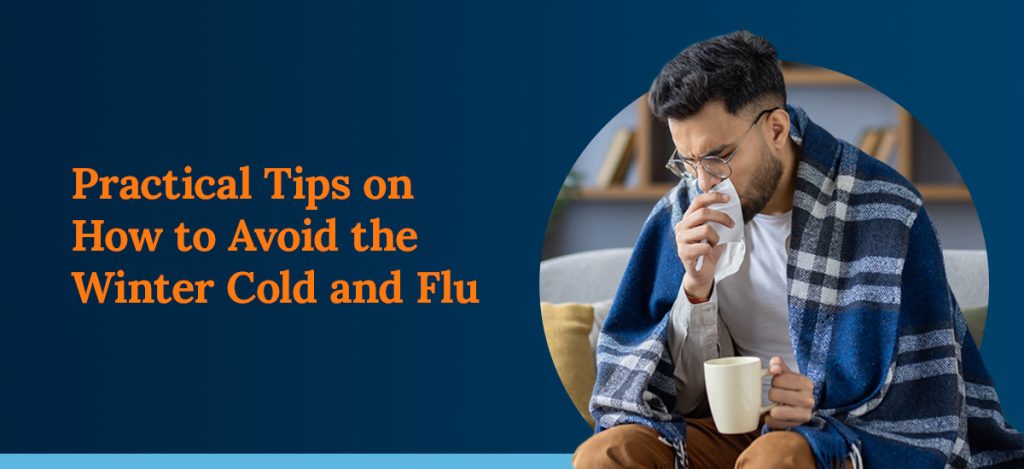
Winter brings shorter days, colder temperatures and a rise in seasonal illnesses. Many families want to know how to avoid the winter cold and flu, especially when viruses spread easily at school, work and in crowded indoor settings. As Your Home for Health, Hamilton Health Center provides patient-centered guidance to help you protect yourself and your loved ones.
Why Winter Illness Spreads More Easily
Cold, dry air can weaken the body’s natural defenses, making it easier for viruses to travel and settle in the nose and throat. Spending more time indoors also increases close contact with others. Understanding these factors helps you make choices that reduce your risk of getting sick in the winter.
Ways to Avoid Getting Sick This Winter
Learn how to avoid the flu and other illnesses this winter:
1. Stay Up to Date on Your Flu Shot
The best time to get a flu shot is early fall. However, you can still get vaccinated later in the year and be protected. The flu shot lowers your chances of becoming seriously ill and reduces the spread of the virus in your household and community.
Hamilton Health Center offers flu shots for adults and children, including patients with Medicaid, Medicare, private insurance or no insurance. Vaccines are available in a multicultural, multilingual setting, so every patient receives clear, comfortable care.
2. Strengthen Everyday Prevention Habits
Many people want to know how to avoid catching the flu or getting sick in the winter. Simple, consistent habits make a measurable difference:
- Wash your hands for at least 20 seconds.
- Don’t touch your face with unwashed hands.
- Clean frequently touched surfaces, like doorknobs, phones and keyboards.
- Wear a mask when you’re sick or in crowded indoor spaces.
- Give yourself space from people who are coughing or sneezing.
3. Support Your Immune System
Healthy daily routines help your body respond to viruses more effectively:
- Get seven to nine hours of sleep.
- Stay hydrated.
- Eat balanced meals with fruits, vegetables and whole grains.
- Manage stress through light movement, breathing exercises or talking with someone you trust.
Hamilton Health Center — through medical care, behavioral health support, WIC nutrition services and community education — helps families build habits that support year-round health.
4. Recognize Early Symptoms
Early detection helps prevent severe illness and limits spread. Watch for:
- Fever or chills
- Cough
- Sore throat
- Fatigue
- Muscle aches
- Headache
If symptoms begin, stay home, rest, hydrate and contact your provider. Prompt care is especially important for young children, older adults, pregnant individuals and people with chronic conditions.
Schedule an Appointment Today
Stay healthy this winter with support from Hamilton Health Center. Find a location near you and make an appointment today. We’re here for you at every step!