


Is March Too Late to Get a Flu Shot?
Between busy schedules, work projects and family commitments, it’s easy for things like getting your flu shot to fall through the cracks. Before you know it, you might wake up and realize it’s March — and you never made it to the doctor’s office for your vaccine as you’d planned. Does this mean you missed your opportunity? Not necessarily!
As we’ll explore below, there’s certainly a peak flu season you’ll want to be protected for — but a late or early vaccine is much better than none at all.
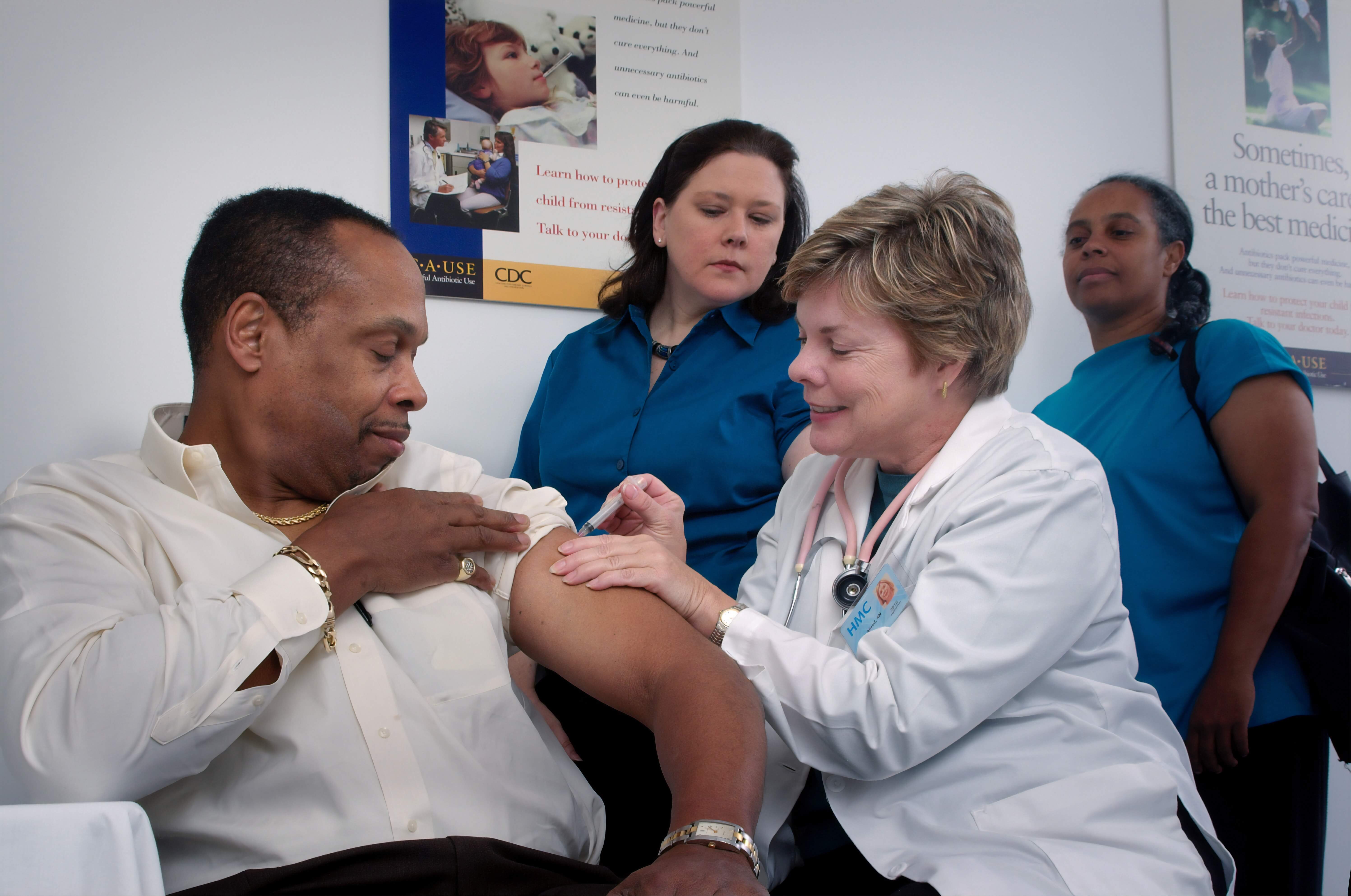
When Are You Supposed to Get a Flu Shot?
In the U.S., peak flu season falls between December and February. However, there’s no set timeframe — the flu can start to spread earlier in the fall and last through May. This means there is a lot of fluidity when it comes to the optimal time to get your flu shot.
Generally, experts recommend that you get your flu shot in September or by the end of October. Because the shot takes about two weeks to start effectively protecting you, you’re advised to get a shot as soon as they start becoming available in your community. This typically happens in September.
Don’t forget these top tips:
- You can get a flu shot even if you’ve already had the flu, as this can protect you from other flu strains.
- If you’re above the age of 65 and got your flu shot early, you can ask your doctor about getting a booster if the flu is still going strong late in the season.
- Flu shots are recommended for everybody age six months and older.
3 Reasons to Get a Flu Shot Even If It’s Not Flu Season
Despite the best-laid plans, sometimes the flu season might catch you by surprise or linger much longer than you anticipated. Even if you’ve missed peak flu season, there are still plenty of reasons to get your late flu shot. No matter how early or late, there’s really no bad time to get vaccinated.
The Flu Season Can Fluctuate
While the flu tends to peak around a similar time each year, it’s not an exact science. Strains of influenza can spark up before or after this window, sometimes lasting for longer than expected. It can also vary in intensity from year to year. Some seasons may be abnormally mild while others are particularly aggressive.
While standard recommendations are a good rule of thumb to follow, getting your flu shot later can help protect you from an unpredictable season.
Put Your Health First
The flu has side effects that can range from uncomfortable to downright dangerous. It can cause serious complications that may require medical intervention, including bacterial pneumonia and sinus infections. Serious complications lead to thousands of flu-related deaths each year.
The flu vaccine is one simple and effective way to prevent illness and hospitalization. In fact, according to the CDC, flu vaccines have been shown to reduce the chances of a doctor’s visit by up to 60 percent.
Protect Others Around You
Flu vaccines aren’t just about your own health. Getting a shot, no matter how late in the season, can help protect the people around you. The concept of herd immunity reflects the fact that immunized populations stop the spread of a virus and keep the community safe. Because the flu virus is so easy to spread, it’s crucial to minimize the risk for those around you.
Even if you’re perfectly strong and healthy, you never know what immunocompromised people you might be interacting with every day. A late flu shot can help ensure the flu season dies down quickly without lingering flareups.
Where to Get Your Flu Shot in Harrisburg
Flu vaccines are available in a number of places around Harrisburg, making it easier than ever to find a vaccine. During flu season, you’ll be able to get your shot at most major pharmacies, college health centers, clinics or health departments.
If you’re trying to get a flu shot in March or later, vaccines will not be as widely available but should still be possible to obtain. Ask your doctor’s office about getting a flu vaccine, or use the PA Department of Health Flu Vaccine Finder to identify your closest location.
Contact Us to Learn More About Getting a Flu Vaccine
Hoping to get a flu vaccine late in the season? Need help handling any influenza symptoms? Hamilton Healthcare is here for you. We’re your local health care partner, providing affordable and accessible services to families of all backgrounds. Contact us today to learn more about what we do and how we can help.
Top Sexual Health Tips
Having a fulfilling sex life can improve your overall well-being and even lower the risk of developing certain diseases. Yet, without knowing how to maintain your sexual health, you may not enjoy the pleasure and satisfaction that sex can bring. Read on to discover some sexual health facts and tips that can make sex a more enjoyable activity in your relationship.
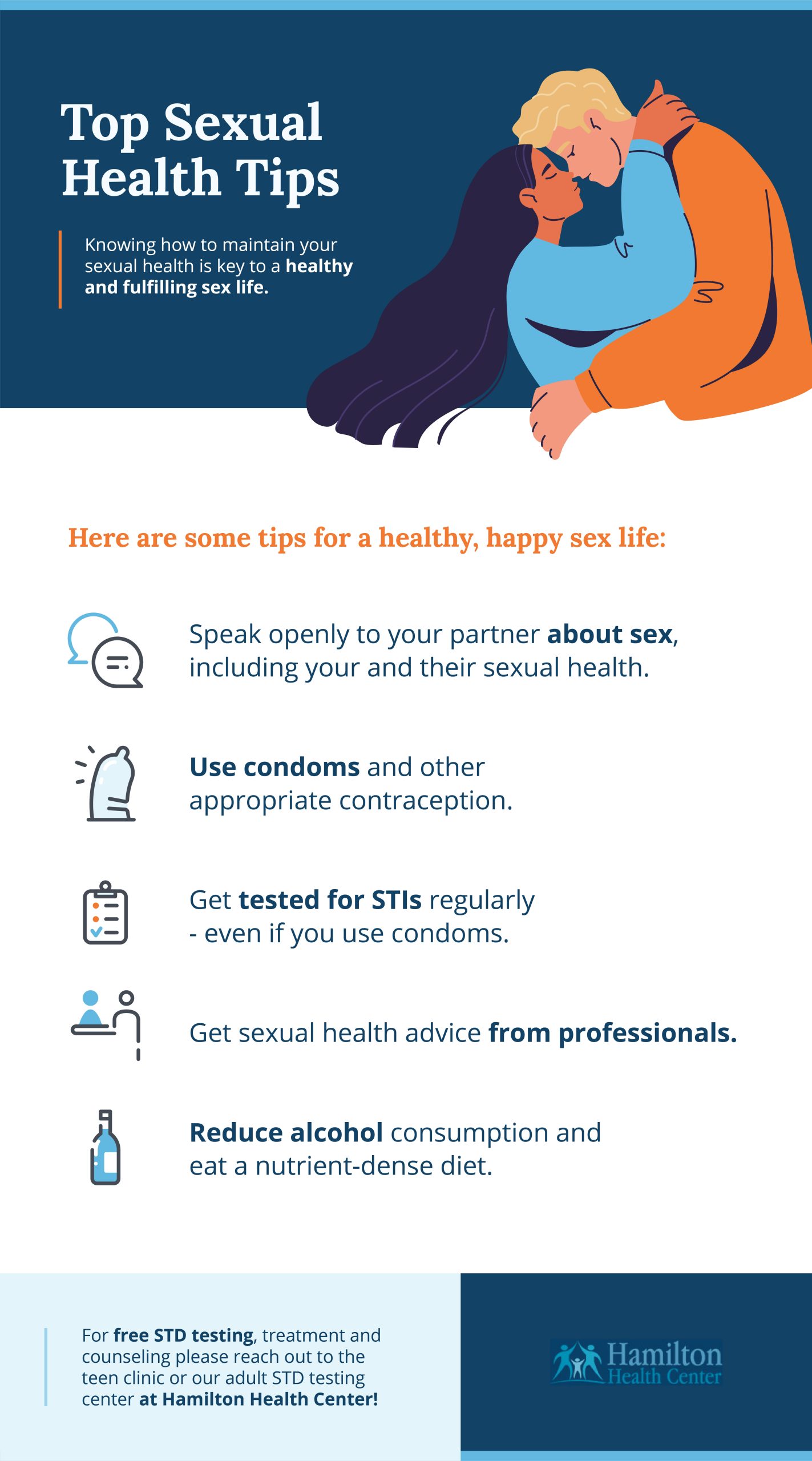
1. Speak With Your Partner About Sex
Keep open communication about sex and other aspects of intimacy with your partner. Don’t allow work, family responsibilities and stressful situations to prevent you from discussing your sexual health issues.
It’s important to sort out issues that could hinder your sexual pleasure such as conflicting work schedules and personal sexual preferences. When you speak with your partner in a relaxed and courteous manner, you’ll be able to discover the cause of any sexual problems you have and agree on how to resolve them.
2. Reduce Alcohol Consumption
Excessive alcohol consumption is harmful to your sexual life. While drinking a small glass of red wine can help increase your libido, alcohol can affect your ability to make sound decisions. This can also lead to indulgence in casual, unprotected sex.
Drinking a large amount of alcohol can also alter the functioning of your nervous system. Consequently, poor responses from your nerves can reduce sexual pleasure and even lead to erectile dysfunction in men.
3. Eat Foods That Enhance Sexual Performance
Give your sex life a boost by eating more nutrient-dense foods. In addition to improving your mood, eating foods that contain a rich supply of amino acids, minerals, vitamins and healthy fats can increase your sexual desire and improve your performance.
Some of the foods you should have in your diet include:
- Citrus fruits: Oranges, lemons, grapefruit and tangerines
- Nuts and seeds: Almonds, walnuts, cashews, quinoa
- Whole grains: Wheat, buckwheat and brown rice
- Seafood: Salmon and oysters
- Health protein: Lean meat, fish, chicken
- Leafy greens: Kale, spinach
You need to also consider eating meals with your partner as way of strengthening your emotional bond.
4. Keep Fit With Regular Exercise
Maintaining a good exercise routine is beneficial to your sexual health. Exercising raises your body’s production of endorphins and sex hormones, which improve your mood and boost your sex drive. Working out increases your self-confidence, so you can enjoy more sex. Always remember that your physical and mental fitness is connected to your ability to have a satisfying sexual life.
5. Protect Yourself From Sexually Transmitted Infections
If you aren’t in a stable relationship, always use a condom when you want to have sex. This is still the most effective contraceptive method that also prevents sexually transmitted diseases. So, it’s wise to keep a condom with you if you’re sexually active. If you get into a steady relationship and you want to stop using condoms, consult a physician to prescribe an effective birth control method so you can avoid unwanted pregnancies. We also recommend getting STD tests every 6 months even if you’re in a steady relationship. It’s always better to stay on top of things and have the peace of mind that neither you nor your partner has an STD than to go blind.
6. Get Sexual Health Advice
If you notice that you don’t enjoy sex, talk to your physician about it. Some medical conditions are responsible for sexual dysfunction and low sex drive. You may also be taking medication like antidepressants and contraceptives that can affect your libido. Your doctor will be in the best position to answer all your sexual health questions and advise you on how to enjoy a more satisfying sex life.
Let Us Help You Improve Your Sexual Health
To learn more about how to improve your sexual health, you can get in touch with us and speak with a doctor at Hamilton Health today. We run a federally qualified health center that is family-centered, multicultural and bilingual. Hamilton Health is your home for health, where you can get treatment in situations where other providers may not treat you. We also offer judgmental-free HIV testing in Central PA.
More STD Resources
Symptoms of Ovarian Cancer
What is Ovarian Cancer?
Ovarian cancer is a medical condition in which cancerous cells are located within, around or outside the ovaries. The ovaries are two almond-shaped organs that can be found on both sides of the uterus. They store eggs and produce progesterone and estrogen, two important hormones for reproductive health.
What Are the Signs and Symptoms of Ovarian Cancer?
It’s not always easy to detect ovarian cancer in its early stages because of the location of the ovaries. That’s why it’s sometimes called the most deadly type of reproductive cancer.
Ovarian cancer is usually detected at the advanced stages because the ovaries are embedded deep in the abdomen. It’s when the tumor can no longer hide that most patients begin to notice the signs of ovarian cancer.
However, to increase the chances of survival, knowing the early signs of this disease is vital. If you notice any of these signs, contact us at Hamilton Health or visit your gynecologist.
1. Bleeding
Irregular bleeding is a common sign of ovarian stromal tumors, which a small number of people with ovarian cancer have. The tumor can cause bleeding that looks what you see during your period. This can even occur after menopause. Bleeding may happen in two-week intervals or more frequently.
2. Bloating and Indigestion
The presence of a cancerous tumor can cause fluid to build up in the abdomen. This could feel like bloating or the weight gain that follows pregnancy. However, when the bloating refuses to subside even after changing your diet, you need to see a gynecologist promptly.
Also, an ovarian cancer diagnosis could be preceded by indigestion and heartburn. This is a common symptom that is linked with general abdominal discomfort.
3. Feeling Full Quickly
Due to the buildup of fluid in the abdomen, people who have ovarian cancer will start feeling full quickly. This increased satiety is also linked with bloating, and it may also lead to a loss of appetite.
4. Menstrual Cramps
At the early stages of this disease, one could have a feeling similar to menstrual cramps. Unfortunately, this sign is commonly ignored by women whose menstrual cycle has been linked with uncomfortable cramps. Tumors growing in the pelvis can result in pain at the base of the abdomen. But since the pain is similar to menstrual cramps, women can easily ignore this sign of ovarian cancer.
5. Lower Back Pain
Severe lower back pain is also associated with ovarian cancer. Just before diagnosis, many women have complained of having back pain that persists throughout the day and interferes with their sleep. This is usually caused by the fluid that collects in the pelvis and causes irritation in the tissues of the lower back.
6. Frequent Urge to Urinate
Having the urge to pee every 30 minutes with very little or no urine coming out is a sign that you need to be checked for ovarian cancer. This increased urge to visit the bathroom may occur because cancer cells start putting pressure on the bladder.
Speak With a Gynecologist Today
To learn more about ovarian cancer causes or signs, call us now and speak to one of our gynecologists. At Hamilton Health, we offer the best gynecological care for women from all backgrounds. You can walk into our federally qualified health center today and we’ll attend to you. We run a family-centered health center and we treat you when others won’t because we’re committed to making it “your home for health.”
Health Care Resources for Women
- Women’s Health (Gynecology, Annual Exams, Family Planning, and More)
- Healthy Start
- WIC
What to Expect at a Child’s Eye Exam
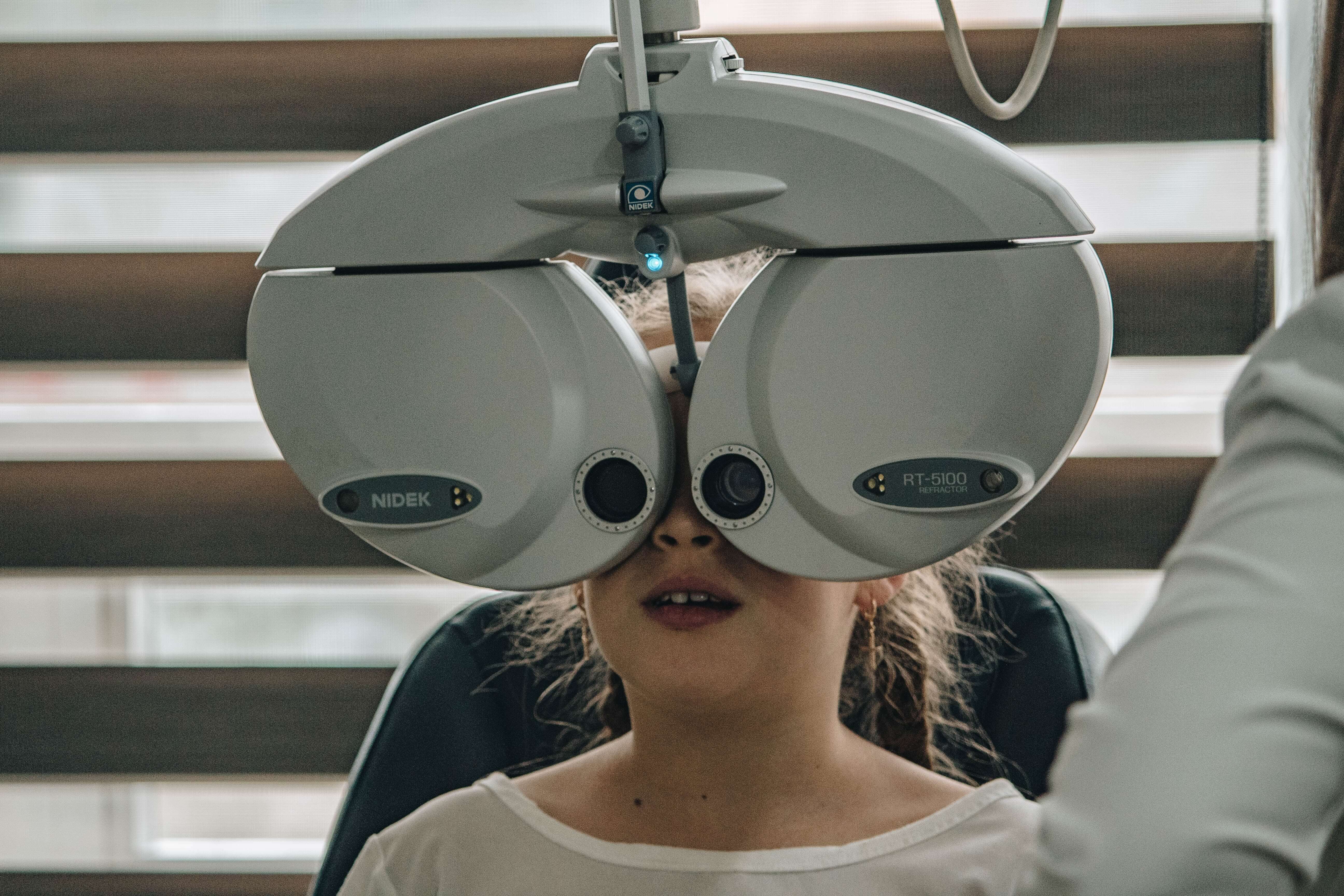
You know how critical regular visits to your pediatrician and dentist are to maintain your children’s health. But did you know you should also take them to get pediatric eye exams regularly?
How Often Should A Child Get An Eye Exam?
Starting at six months, children should see an eye doctor, who can diagnose vision problems or monitor conditions that could grow into something more serious. Children who need eyeglasses should visit the eye doctor every year for a checkup.
Contrary to common perception, kids should still visit the eye doctor even if they don’t have glasses. Children who don’t require vision correction should make appointments every two years.
What to Expect at a Child’s Eye Exam
The visit often begins with several eye tests that help the eye doctor determine their vision level:
- Vision test: This measures how well kids see from a distance, using the chart with letters your child has to read off. A toddler vision test will use shapes instead of numbers.
- Eye movement: The doctor tells the patient to keep their eye on the doctor’s finger, which they move around to test the child’s peripheral and other types of vision.
- Pupil test: The doctor directs a bright light in the child’s eye to see if their pupil responds correctly.
You can help your child feel more at ease during their eye doctor appointments by discussing what will happen there ahead of time. Talk about any questions they may have about the visit, too.
The next step is to conduct a pediatric eye exam. The doctor will look at the lens, cornea and eyelid to make sure they are healthy. Next, the doctor may perform a pupil dilation test to look at the back of their eye to see that it’s developing properly.
After all this, the doctor will consult with you about their findings. It may be that they found nothing to worry about in their exams. If your child requires glasses, the eye doctor will give you a prescription you can get filled either at the office, online or at a retail shop that sells glasses.
A trip to the eye doctor could reveal an issue with your child’s vision that requires treatment other than glasses. Lazy eye, also called amblyopia, can result from misalignment of the eyes as well as pediatric cataracts. If your child has this common disorder, therapy may include glasses, eye drops or surgery.
Get Your Children Pediatric Eye Exams
An eye doctor for kids can help your child address problems that may bother them at school, such as not being able to see the whiteboard or having difficulty focusing when they read. Schedule your visit today to ensure your child receives the vision care they need.
You can also schedule an appointment with Hamilton Healthcare to address your own health concerns. We have staff who speak many different languages. We can help enroll you in health insurance, and we specialize in treating ESL and low-income women. Call us today to schedule an appointment.
Top Tips for Preventing Strep Throat
Strep throat has uncomfortable symptoms such as sore throat, fever and problems breathing or swallowing. The contagious bacteria Streptococcus pyogenes causes strep throat when it spreads to a person without the disease. You can reduce your chance of getting or spreading strep throat by following certain precautions. This guide will teach you how to prevent strep throat and what to do if you have it.
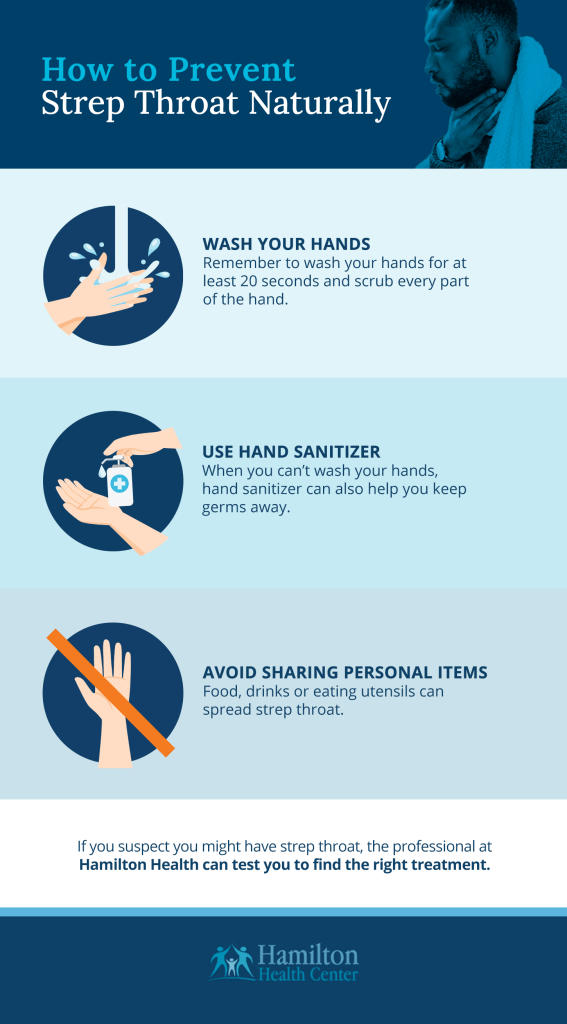
How to Prevent Strep Throat Naturally
Try the following strategies to reduce your family’s risk of getting strep throat:
- Wash your hands: Hand washing serves as one the best ways to prevent infections like strep throat. Remember to wash your hands for at least 20 seconds and scrub every part of the hand.
- Use hand sanitizer: When you don’t have access to soap and water, hand sanitizer can also help you keep germs away. Hand sanitizer often comes in travel-sized bottles that you can take anywhere.
- Avoid sharing personal items: Sharing food, drinks or eating utensils can spread strep throat bacteria even when neither person thinks they have it. Other items that go in the mouth like toothbrushes and pacifiers can also spread germs.
You can lower you or your child’s chance of getting strep throat by limiting your exposure to the Streptococcus pyogenes bacteria. Following these tips can help you avoid spreading strep throat and other infections at any time of the year.
Preventing the Spread of Strep Throat
If you or someone you love already has strep throat, you can take steps to avoid spreading it. You can protect others by:
- Taking antibiotics: If you get a strep throat diagnosis, your doctor will likely give you antibiotics to fight the infection. Remember that strep throat’s contagious period lasts for at least 24 hours after you start taking antibiotics.
- Keeping your environment clean: Surfaces like tabletops and doorknobs can host strep throat bacteria. Regularly wipe down these areas to prevent the spread of bacteria.
- Staying home from work or school: A person with strep throat stays contagious as long as they have symptoms. If you can, call in sick from work or school until you’ve taken antibiotics for at least 24 hours.
- Washing your hands frequently: Keeping your hands clean will reduce the spread of the strep throat bacteria. Follow the same directions as mentioned above for the best results.
Everyone has a part to play in reducing strep throat’s spread, including people who already have it.
How to Prevent Strep Throat When You Feel It Coming
Symptoms like a sore throat that lasts longer than 48 hours and small spots inside your mouth can both indicate strep throat. If these symptoms show up, you may already have the infection. Visit a doctor to get a rapid strep test and throat culture that can tell you if you have strep throat. The professionals at Hamilton Health can test you for strep throat and provide the right treatment.
Get Strep Throat Diagnosis and Treatment at Hamilton Health
At Hamilton Health, we offer patient-centered care to people regardless of health, economic or insurance status. To see a doctor for strep throat or another infection, call us at 717-232-9971 to schedule an appointment.
13 Must-Know Men’s Health Tips
 It’s essential to pay attention to your health. Life is busy, but that should never be an excuse for not prioritizing your wellness. Staying in tune with your well-being promotes a stable lifestyle, reduces risk factors and lowers the chances of medical emergencies.
Men of all ages can benefit from the following tips.
1. Search for a Doctor
For many men, an unhealthy lifestyle derives from the lack of regularly seeing a doctor or health care provider. Finding a doctor is an easy task thanks to resources available online. With a quick search, you can find health care professionals in your area who are accepting new patients.
You want to find and establish trust with your doctor. These health professionals let you know of areas of improvement in your everyday life and catch warning signs of health concerns that could harm you.
2. Visit Your Doctor Regularly
Whether you just found your doctor or already have one, visit them regularly. Getting an annual physical examination is the best way to prevent an illness before it occurs. Stop canceling or postponing your doctor’s appointments.
Things to ask your doctor about include:
- Blood tests
- Supplements
- Blood pressure
- Cholesterol levels
- Alcohol consumption
- Weight management
- Food choices
Always remember your health is a top priority, and visiting your doctor is a great preventive measure for men’s health
3. Learn From Your Doctor and Make a Change
Your doctor is the key to a healthier life. Over time, these professionals know your lifestyle as well as you do. Listen to what your doctor has to say during routine visits, and be sure to make any necessary changes if applicable.
Make it your goal to use doctor visits to get informed about health topics. Also, learn to discuss symptoms with your doctor rather than ignoring them. A proper diagnosis can promote a healthier life even with a health condition.
4. Monitor Your Diet
The foods you eat directly fuel your body. Cutting back on junk foods, sugars and carbohydrates makes a difference when you replace them with fruits and vegetables.
The best way to keep a healthy diet is to give yourself some variety daily. Eating fruits, vegetables, whole grains and fiber helps you avoid heart disease, diabetes and cancer. A healthy diet can reduce high blood pressure and belly fat.
5. Make Time for Exercise
Getting activity in your day prolongs your overall well-being. Making time for 30 minutes of physical activity during most days of the week increases men’s physical and mental health. Something as simple as an evening walk could be the lifestyle change you need.
Monitoring your progress is exciting and encouraging. There is nothing wrong with starting slow and gradually increasing your workout time and intensity as you improve. Strength training is also a great addition to your daily routine.
You will see the most positive health changes by varying your workouts between aerobic exercise, stretching and strength training. Incorporating all three types can improve heart health, strengthen muscles and maintain flexibility.
6. Get Enough Sleep
Sleeping between seven and nine hours each night keeps you in your best shape. Drinking caffeine instead of getting enough sleep leads to a toxic cycle that can deteriorate your health, so always give yourself time to rest.
7. Analyze Mental Health
If you have a family history of mental illness, alcohol abuse or suicide, speaking to your doctor about warning signs and symptoms is essential. A positive outlook on your life comes from wellness inside and out. Asking for help when needed is the first step toward improving mental health.
8. Maintain a Healthy Weight
Keeping extra weight off reduces your risk of heart attack, heart disease, cardiovascular disease or stroke. By exercising regularly and sticking to portion recommendations, your heart has to work less during the day and while you sleep. You can use body mass index and waist circumference to estimate your weight status.
9. Stop Bad Health Habits
While adding positive changes like exercise and quality sleep to your lifestyle, you should consider current practices damaging your health. Smoking and vaping are the leading causes of preventable death in the United States. This practice can cause heart disease and cancer.
Alcohol and high-risk sexual behaviors can also harm your health. Excessive drinking may lead to cancer and heart issues. Unsafe sexual behaviors like unprotected sex and multiple sexual partners can increase the chances of sexually transmitted infections.
10. Stay Ready for Sex
A lack of erection often points to underlying health issues. When you notice problems getting or keeping an erection more than 25% of the time, you should take note. This symptom may point to emotional problems, diseases or other physical causes like overconsumption of alcohol.
11. Take Care of Your Prostate
The prostate gland grows as you age, leading to urinary symptoms like passing more urine throughout the day or having less urine flow. When you experience these issues, talk to your doctor about lifestyle changes like urinating when you get the urge, drinking fluids steadily throughout the day and exercising regularly.
12. Consider Your Age Group
No matter your age, you should maintain a healthy lifestyle with your eating, sleeping and exercise habits. These habits may look different depending on your age. Men in their 50s or above should focus more on low-impact exercise, while younger men can focus more on strength training.
Depending on your age group, you should also screen for specific medical conditions with your doctor. For example, men in their 20s should screen for high cholesterol and testicular cancer. Older men in their 50s or above should look for those health concerns and additional ones like colon cancer, diabetes, heart disease and thyroid disease.
13. Prioritize Enjoyment
As you focus on healthy habits, remember to prioritize enjoyment by doing something for yourself daily. These activities could include listening to an audiobook, doing yoga or meditating. When you do these things every day, you can experience better mental health and improve recovery from substance use disorders.
Schedule an Appointment With Hamilton Health Center

If you desire to improve your health and want to know how to get started, it’s time to connect with Hamilton Health Center. By setting up an appointment, you can find the proper health care to better your lifestyle.
Find your new home for overall health and call Hamilton Health Center today.
Importance of HIV Testing
Human immunodeficiency virus (HIV) is a virus that attacks the immune system, the body’s natural defense against disease. If left untreated, HIV can weaken the immune system so much that it can no longer fight infection. This late stage of the virus, known as AIDS, can be deadly.
HIV is a serious condition that can affect people of all ages, genders and sexual orientations. Though around 40,000 people are diagnosed with HIV in the United States every year, as many as one in seven people living with HIV don’t know they have it.
Here’s the good news: detecting HIV and getting treatment is easier today than ever before. People living with the virus can have long, healthy and happy lives. Let’s take a look at the importance of HIV testing and what benefits it can provide.
Why Is Getting Tested for HIV Important?

Taking an HIV test is the only way to know if you have the virus. Because symptoms of AIDS can take years to develop, it’s essential to get tested even if you feel fine. Knowing your HIV status — whether you test positive or negative for the disease — is a vital step in getting treatment and preventing the disease from spreading.
HIV spreads from person to person through bodily fluids like blood and semen. This means that some of the most common ways people contract HIV are through unprotected sex and sharing needles during drug use. If you’ve engaged in these behaviors with someone whose HIV status is unknown, it’s important to get tested. Once you know your status, you can get treatment and take steps to avoid spreading HIV to others.
Top 4 Benefits of HIV Testing
Knowing your HIV status is a great way to protect your health and the health of the people you care about. There are many benefits of getting tested for HIV, whether your results are negative or positive:
- The test is fast and easy: During an HIV test, doctors take a blood or saliva sample to analyze. You’ll know whether you have the virus in around 20 minutes. An HIV test is almost always free.
- You can live a healthier life: If your test results show you have HIV, you can get the treatment you need to stay healthy. Today, antiretroviral drugs make it possible for people with HIV to live long, normal lives.
- You can protect your partners: When you know your HIV status, you can take steps to protect your current and future sexual partners and encourage previous partners to get tested, as well.
- It can give you peace of mind: If you think you might have HIV, you might feel nervous about getting tested. It’s normal to feel worried about your status, but it’s always better to take action than to ignore your concern. Getting an HIV test can give you peace of mind.
Ready to Get Tested for HIV?
There are many advantages of HIV testing for those at risk. If you’re ready to know your HIV status, call or contact Hamilton Health Center to make an appointment. We offer free, confidential HIV testing Monday through Friday between 8:30 a.m. and 4:30 p.m. We’re proud to offer HIV testing and support to all Central Pennsylvania residents, regardless of age, income and insurance status as well as STD testing for all other diseases.
More STD & HIV Resources
Self-Breast Exam Tips
 You may have heard there are many advantages of performing breast self-examinations. Women sometimes detect lumps that prompt their physicians to send them for mammograms, which can uncover signs of breast cancer.
You should also perform breast self-exams for other reasons. Breast exams help you become familiar with your breasts so you can report any changes in them to your physician. Most changes are benign, but occasionally there is a more serious reason for them.
If you have never self-examined your breasts, you may be unsure how to begin. Follow these exam tips to give yourself an effective breast self-exam.
Tips for Breast Self-Exams
Here are a few ways you can learn to do your examinations quickly, thoroughly and effectively:
- Ask your doctor or healthcare provider to show you how to do it: Talk to them about what they recommend for their patients and to explain what you should be looking for. While online guides can be helpful, speaking to a breast specialist is a great way to ensure effective examination.
- Time your exams to your menstrual cycle: Choose a time of the month when your breasts are less tender. Many women do this during the week after their period. If you examine your breasts at the same time every month it’ll be easier to detect breast lumps or breast changes.
- Look in the mirror before you start: Begin by examining your breasts to get a feel for what they look like. Search for dimpling and puckering, and note the shape and size of the breasts. Examine them with your hands raised as well and look beneath each breast to judge their symmetry. This will help you identify changes in the future.
- Do the physical exam standing up or in the shower: The tissue thins out when you lay down. You will also find soaping your fingers helps in the shower.
- Use the pads of your three middle fingers: Apply different levels of pressure and do it in a constant pattern to assure you do not miss any parts. For instance, you might do it circularly along with light pressure.
Women with disabilities that make it difficult to do any of this should ask their doctor for tips on how to proceed.
What Are Normal Lumps in the Breast?
All breasts have lumps. You will become familiar with these as you perform your exams regularly. Most lumps are normal and do not require a trip to the doctor. Abnormalities in the breast may include very hard lumps near your underarm, and you should inform your physician immediately.
Other changes you should notify your doctor about include:
- Sores or rashes on the breast
- Newly inverted nipples, pointing in rather than out
- Swelling or pain in the breast
- Any irregular breast tissue
When to Start Self-Breast Exams
Doctors generally recommend that women begin performing self-breast exams in their early 20s. Teenage girls’ breasts are still growing, and they change a lot during this process. It’s also extremely rare for a young girl to develop breast cancer. For those reasons, physicians say it is unnecessary to perform self-exams until you get older and your body has finished going through changes.
Still not sure how to perform a self-breast exam or want some extra guidance? Hamilton Health offers patient-centered health care at our state-of-the-art facility. Make an appointment with us today to discuss your breast health and breast condition.
More Resources for Women
STD Testing Facts
STD Testing & Why You Should Get Tested
 Sexually transmitted diseases (STDs) are a taboo topic in our society. However, they can cause serious health problems when you don’t treat them. STD testing helps you stay healthy, so keep reading to learn the facts about STD testing and to find out where you can get tested.
Why Is STD Testing Important?
The CDC estimates that about 19 million new cases of STDs happen every year. Since many STDs don’t have obvious symptoms, getting tested is the best way to find out if you have one. Knowing if you have an STD lets you treat your disease and protect yourself and your sexual partners. While STDs seem scary, you can get a diagnosis and treatment for many of them easily. You just need to take the first step.
Am I at Risk for an STD?
Everyone who has sex has a risk of getting an STD. Some people who don’t have sex can also get STDs, including bacterial vaginosis (BV) and other infections. You have an even higher risk than usual if you inject drugs, have multiple sex partners, don’t use protection or practice anal sex.
How Do They Do an STD Test?
The method used to test a patient for an STD depends on the type of STD that the clinic wants to diagnose. Your provider might get a swab of your genitals, check your blood or get a sample of a fluid such as urine or discharge. You can ask the provider about the method they will use before you get the test. Let them know what you feel comfortable with and try to find a solution together.
Will I Be Judged for Getting an STD Test?
Medical professionals receive training that teaches them not to judge patients who have STDs. Unfortunately, not all doctors follow this advice. However, many providers who openly advertise their STD testing services do not judge patients for getting tested. If you worry about judgment, try to find a provider that clearly says they don’t judge you when they describe their services.
No matter what, treating your STD is much more important than not getting judged. Remember that having an STD is not a moral failing — it is just a medical condition like having a broken arm.
How Do I Talk to My Partner About STD Testing?
If you have a sexual partner, getting tested together will help you prevent spreading an infection back and forth. However, you might feel nervous about talking to them about it. Let them know you’re asking because you want to stay healthy, not because you think they’re “dirty.” Don’t let your partner pressure you to have sex with them if they don’t want to talk about sexual health with you.
Where Do I Get Tested for STDs Near Me?
Patients in the Harrisburg area can get STD and HIV testing right here at Hamilton Health Center. We serve everyone, regardless of HIV status, sexual orientation, income or background. Most importantly, we will never judge you for getting tested. Please call us at (717) 232-9971 to schedule an appointment today.